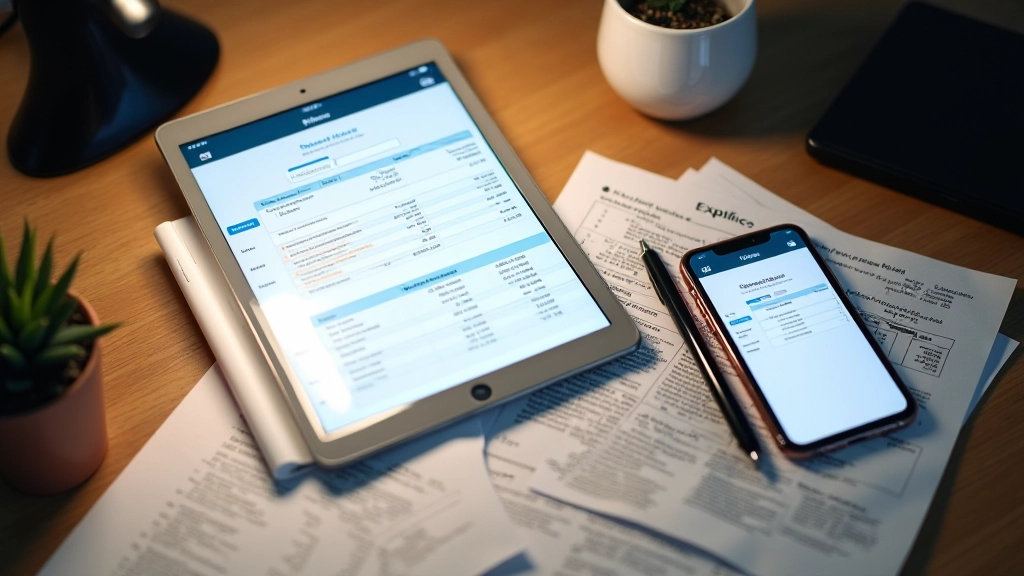

Separating Personal and Business Accounts — Why It Matters
A clear explanation of how keeping separate accounts simplifies record-keeping, supports your audit trail, and makes tax filing straightforward.
Freelance income isn’t always steady. Learn how to set aside money during good months, calculate what you actually need, and avoid panic when work slows down.


The biggest difference between freelancers who stress constantly and those who sleep well? A proper cash buffer. It’s not complicated — it’s actually pretty straightforward once you understand how much you need and where to keep it.
When you’re self-employed, income swings are normal. You might earn HK$15,000 one month and HK$4,000 the next. That’s just how freelance work operates. The problem isn’t the variation — it’s being unprepared for it. A cash buffer solves this. It’s money set aside specifically for the slow months, so you’re not scrambling for clients or burning through savings just to cover rent.
Here’s what we’ll cover: how to calculate your buffer target, where to actually keep this money, and how to rebuild it when you need to dip into it.

This is where most freelancers get it wrong. They either save too much (and tie up money they could use elsewhere) or too little (and panic during slow periods). The real answer depends on your specific situation.
Start by calculating your actual monthly expenses — not your income, your costs. This includes rent, utilities, food, insurance, and any regular business expenses. Let’s say that total is HK$8,500 per month. Now look at your income over the past 12 months. If your lowest month was HK$6,000 and your best was HK$18,000, you’ve got a spread.
The Simple Formula:
Buffer = Monthly Expenses Number of Slow Months
If your expenses are HK$8,500 and you typically have 2-3 slow months per year, aim for HK$17,000 to HK$25,500 set aside.
Some freelancers prefer the “three-month rule” — keep three months of expenses saved. Others use two months. The point isn’t the number. The point is you’re not caught off-guard when work dries up. Most Hong Kong freelancers find that 2-3 months is realistic and doesn’t over-commit capital.


Don’t keep it in your main operating account. That’s the fastest way to spend it accidentally. You need separation — same principle as keeping personal and business accounts apart. Your buffer needs its own home.
The best options: a dedicated savings account at the same bank (easy transfers when you need it), a high-interest savings account (even if rates are modest, every bit helps), or a separate bank entirely (psychological barrier against spending it on non-essentials). The key is “out of sight, out of mind.” You’re not looking at that money every day when you check your operating balance.
Some freelancers in Hong Kong use Wise, HSBC’s savings rates, or even a DBS PayLah savings pocket. The exact institution matters less than the separation. What matters is you can access it when slow months hit, but it’s not sitting next to your working capital where it’s tempting to use it for a new laptop or a client dinner.
Pro tip: Set up automatic transfers. If you’re saving HK$2,000 per month to your buffer, automate it. Same day you get paid, money moves to the buffer account. You’ll adjust your spending to what’s left. That’s how it actually happens — not through willpower, but through system design.
You’ll eventually dip into your buffer. That’s normal. A slow three months hits, you need to pay taxes, something unexpected comes up. You use the money you’ve set aside. Good. That’s exactly what it’s for.
The important part is rebuilding it. Don’t just forget about it and hope it refills itself. When you use HK$15,000 from your buffer, make a plan to restore it. If you used it over three months of slow work, commit to rebuilding it over the next three good months. That means 25% of your income for three months goes back into the buffer.
Note the exact amount and date. Keep it simple — a spreadsheet entry is fine.
Divide the amount used by 3-6 months (however long you think it’ll take). That’s your monthly rebuild amount.
Same as initial saving — set up automatic transfers. Remove the decision-making.
You’ll be surprised how quickly it refills once you’re intentional about it. Most freelancers rebuild their buffer within 2-4 months of good income. The system works because it’s mechanical, not reliant on memory or discipline.

A cash buffer isn’t the only financial tool you need as a Hong Kong freelancer, but it’s the foundation. Once you’ve got 2-3 months covered, you can focus on the other pieces: setting aside for IRD provisional tax payments, building your MPF voluntary contributions, and tracking business expenses properly.
Think of it this way. The buffer handles your living expenses during slow months. Separate allocations handle tax obligations. Your business expense tracking keeps everything organized. These systems work together. You’re not choosing between them — you’re building them sequentially. Buffer first, because that’s your survival layer. Everything else builds on top of it.
When you’ve got all of these working — proper account separation, a cash buffer, tax reserves set aside, expense tracking — you stop feeling like you’re constantly reacting. You’re actually planning. You know what money is available for what purpose. Slow months become inconvenient, not terrifying. And that’s when freelancing actually starts to feel sustainable.
This article provides general educational information about cash flow management for Hong Kong freelancers. It is not financial, tax, or legal advice. Individual circumstances vary significantly — your tax obligations, provisional payment requirements, and financial needs depend on your specific income level, business structure, and personal situation. We strongly recommend consulting with a qualified financial advisor or accountant familiar with Hong Kong IRD requirements before implementing these strategies. Always verify current tax rates and regulations directly with the IRD or a licensed professional.